Rhinoplasty Recovery: Day by Day Guide
A detailed guide on what to expect during each stage of rhinoplasty recovery, with practical tips for an optimal postoperative period.
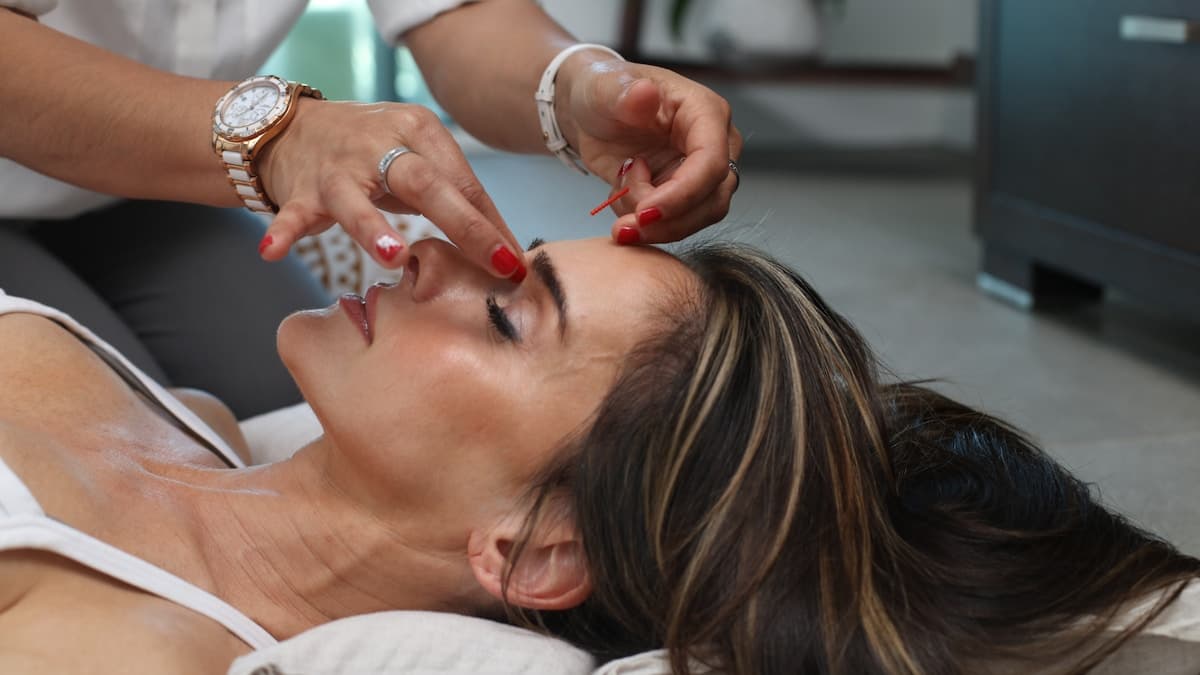
One of the greatest concerns for patients who visit our practice in Malaga and Marbella to enquire about rhinoplasty is the recovery process. It is perfectly understandable: you want to know when you can return to work, when the swelling will disappear and, ultimately, when you will see the final result. In this guide, I accompany you day by day through each recovery phase.
Day of surgery: the first hours
After the procedure, you will remain in hospital under medical supervision for several hours. You will wear an external nasal splint that protects the new bony and cartilaginous structure. You may also have soft internal nasal packing, depending on the technique used. It is normal to feel nasal congestion and some facial swelling. The nursing team will administer the necessary medication to control pain and prevent infection. Most patients report mild discomfort, not intense pain. It is important to keep the head elevated from the first hours, which will facilitate drainage and reduce swelling. We recommend having someone accompany you home and remain with you for at least the first 24 hours. Before discharge, you will receive detailed written instructions about postoperative care, medication and warning signs that should prompt an urgent consultation.
Days 1 to 3: the initial phase
These first days are the most dramatic visually, but generally less uncomfortable than patients anticipate. Swelling reaches its peak between 48 and 72 hours after surgery. Periorbital bruising (bruises around the eyes) may appear, varying in intensity between individuals and according to the technique used. With ultrasonic rhinoplasty, this bruising tends to be significantly less. Tips for these days:
- Sleep with your head elevated on two or three pillows
- Apply cold compresses over the eye and cheek area, never directly on the nose
- Take prescribed medication strictly following instructions
- Avoid blowing your nose; if you need to sneeze, do so with your mouth open
- Drink plenty of water and follow a soft diet
- Do not wear glasses that rest on the nasal bridge
Nasal breathing will be limited due to internal swelling and possible packing. Breathe through your mouth calmly; this situation is temporary.
Days 4 to 7: progressive improvement
From the fourth day, you will notice gradual improvement. Swelling begins to reduce and bruising, if present, starts changing colour (from purple to yellowish), a sign it is being reabsorbed. If you have nasal packing, it is usually removed between the second and fifth day. Packing removal is a moment that generates some anxiety, but it is usually quick and much less uncomfortable than expected. After removal, nasal washes with saline solution are typically performed to keep the passages clean and promote healing. At the end of this first week, usually day 7, the external nasal splint is removed at the practice. This is an exciting moment for the patient, as for the first time they can see the new shape of their nose, albeit still with swelling.
Weeks 2 and 3: gradual return to normal
Most patients can return to work between 7 and 14 days after surgery, depending on the type of work. If your activity is primarily sedentary, you can return sooner. If it involves physical exertion, you will need to wait a bit longer. During these weeks, residual swelling continues to reduce notably. The nose will acquire a more defined shape each day. You may notice some stiffness in the nasal tip and some numbness, particularly in the tip skin. This is completely normal and resolves progressively. Recommendations for this phase:
- You can begin walking gently, but avoid intense exercise
- Do not practise contact sports or swimming
- Use high-factor sun protection on the nose if exposed to sunlight
- You can use light make-up to conceal any remaining bruising
- Continue nasal washes as instructed
Month 1 to 3: consolidation
From the first month, most people around you will not notice you have had surgery. Swelling visible to others has practically disappeared entirely, although you and your surgeon will be able to appreciate subtle residual swelling, especially at the nasal tip. During this period, you can gradually resume sporting activity. From six weeks, most sports are permitted, although those involving direct contact (boxing, martial arts, ball sports) should wait at least three months. If you reside on the Costa del Sol, the mild climate favours comfortable recovery, but remember sun protection. Nasal breathing continues to improve as internal swelling resolves. Many patients report that their breathing is better than before surgery, especially if a simultaneous functional correction was performed.
Months 3 to 12: the final result
Rhinoplasty is a surgery that requires patience to appreciate the definitive result. Between three and twelve months post-surgery, tissues settle into their final position. The skin retracts and adapts to the new nasal skeleton, cartilage heals in its definitive position, and the nasal tip acquires its final form. At our practice in Malaga and Marbella, we perform periodic reviews during this period to monitor progress and ensure everything is progressing satisfactorily. Dra. Fanjul compares standardised photographs taken before surgery with those from each review to document the evolution.
General tips for optimal recovery
- Follow instructions to the letter: each instruction has a purpose
- Do not smoke: tobacco seriously compromises healing
- Be patient: the final result takes months to appreciate
- Communicate any concern: we are available to resolve queries
- Protect your nose: avoid bumps and wearing heavy glasses during the first weeks
If you are considering rhinoplasty in Malaga, Marbella or Estepona and wish to know more about the recovery process adapted to your specific case, do not hesitate to request a consultation. We accompany our patients every step of the way towards their new nose.
Questions or need a consultation?
I'll be happy to help you resolve your doubts or schedule an appointment.
Learn more about rhinoplasty & nose surgery.
Related articles
Ultrasonic Rhinoplasty: Advantages and Full Process
Discover how piezoelectric technology has revolutionised rhinoplasty, offering greater precision, less swelling and a faster recovery.
Read more
Rhinoplasty for Men: Special Considerations
Male rhinoplasty requires a specific approach that preserves masculine facial identity. Discover the keys to this procedure.
Read more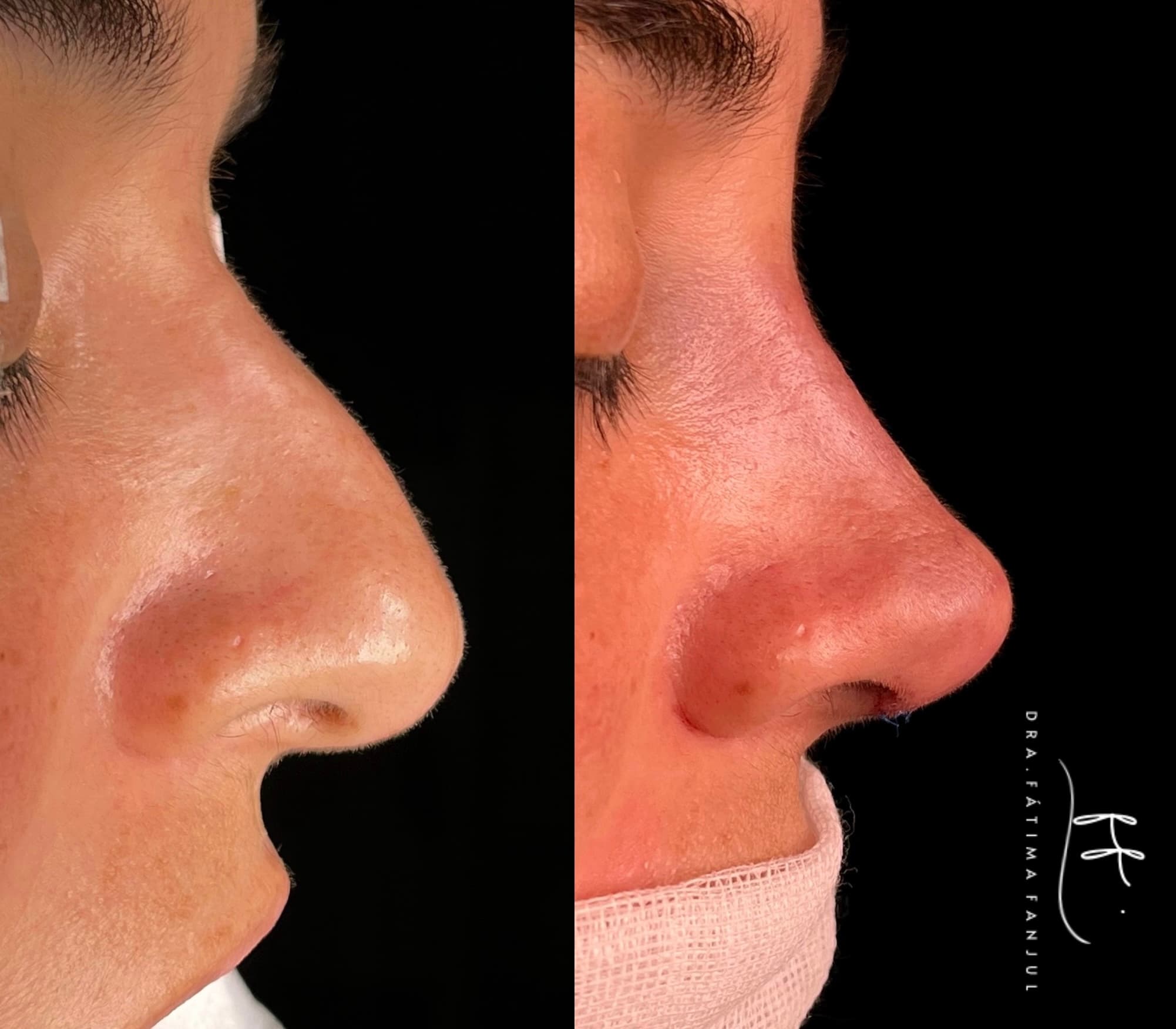
Functional vs Aesthetic Rhinoplasty: What is the Difference?
Discover the key differences between functional and aesthetic rhinoplasty, and how both can be combined for optimal results.
Read more