
DCR: Tear Duct Surgery Explained
Endoscopic dacryocystorhinostomy is the definitive solution for lacrimal obstruction. Learn about the procedure, technique and recovery.
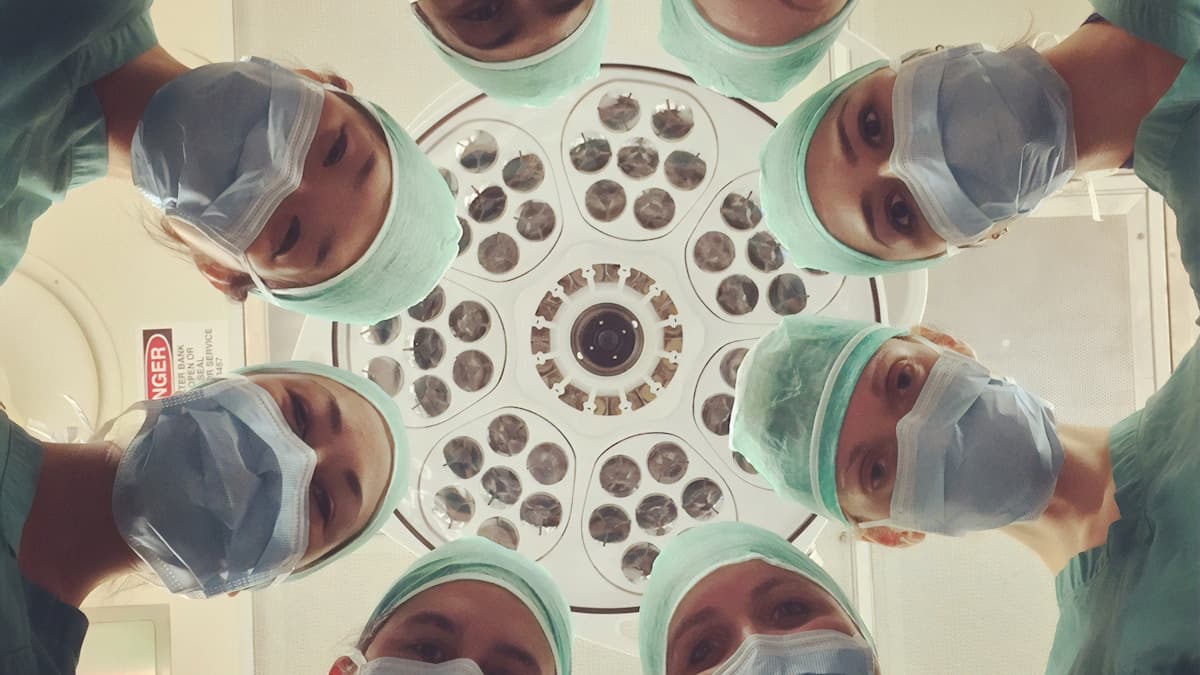
Dacryocystorhinostomy (DCR) is the gold-standard surgical procedure for resolving nasolacrimal duct obstruction. As a surgeon specialising in rhinology and lacrimal surgery in Malaga and Marbella, I perform this technique via an endoscopic endonasal approach -- a minimally invasive method that offers excellent results with rapid recovery and no visible scarring.
What is dacryocystorhinostomy
DCR is surgery that creates a new drainage pathway for tears, directly communicating the lacrimal sac with the nasal cavity. In this way, tears can drain without needing to pass through the obstructed nasolacrimal duct. It is, in essence, a bypass of the blocked duct. This procedure has been performed successfully for decades and has evolved significantly thanks to advances in nasal endoscopy and surgical technology. Endoscopic DCR, which I perform at our Costa del Sol practice, represents the most modern and least invasive technique currently available.
Endoscopic vs. external approach: advantages of the endonasal route
Traditionally, DCR was performed via an external approach, which required a skin incision of approximately one centimetre on the lateral nasal skin, between the eye and nasal bridge. Although effective, this technique left a visible scar and involved greater tissue trauma. Endoscopic endonasal DCR represents an important evolution of this technique. It is performed entirely through the nose, using an endoscope that allows the surgical field to be visualised in high definition on a monitor. The advantages of this approach are considerable. It leaves no visible external scar, as the entire procedure is performed through the nasal cavity. It produces less tissue trauma because there is no need to cut skin or separate tissues from the lateral nasal wall. It allows faster and more comfortable recovery, with less pain and less postoperative swelling. It enables simultaneous treatment of associated nasal pathology, such as septal deviations or polyps, that may contribute to the lacrimal problem. And it offers excellent visualisation of the surgical field thanks to endoscopic magnification. The success rate of endoscopic DCR in experienced hands exceeds 90-95%, comparable to the external technique, making it the first-choice option for the majority of patients.
Indications: when is DCR recommended
Dacryocystorhinostomy is indicated in the following situations: complete nasolacrimal duct obstruction not responding to conservative treatment, chronic or recurrent dacryocystitis (recurrent lacrimal sac infections), acute dacryocystitis (once the acute phase has been resolved with antibiotics), lacrimal sac mucocele (sac dilation from mucus accumulation), and significant chronic tearing affecting the patient's quality of life.
The procedure step by step
Preoperative evaluation
Before surgery, Dra. Fanjul performs a complete evaluation including clinical examination of the lacrimal system, lacrimal irrigation testing, nasal endoscopy to evaluate the nasal cavity and plan the approach, and in some cases, dacryocystography or computed tomography.
The procedure
Endoscopic DCR is usually performed under general anaesthesia, although in selected cases it may be performed with sedation and local anaesthesia. The approximate duration is 45 minutes to one hour. The procedure begins with endoscopic visualisation of the nasal cavity. The area of the lateral nasal wall corresponding to the lacrimal sac position is identified. An incision in the nasal mucosa is made and the underlying bone (the lacrimal bone and frontal process of the maxilla) is exposed. Next, a bony window is created using specific surgical instruments or a drill, exposing the lacrimal sac wall. The lacrimal sac is opened, creating a mucosal flap that is adapted to the nasal mucosa, thus forming a new permanent opening that allows direct tear drainage from the sac to the nasal cavity. In many cases, a temporary silicone stent or lacrimal tube is placed to maintain the new pathway's patency during the first weeks of healing. This stent is removed painlessly at the practice, usually between 4 and 8 weeks after surgery.
Treatment of associated nasal pathology
One of the great advantages of endoscopic DCR is the ability to simultaneously treat any nasal pathology that may be contributing to lacrimal obstruction or that could compromise the DCR result. This includes correction of septal deviations, reduction of hypertrophic turbinates and removal of nasal polyps.
Recovery after DCR
Recovery after endoscopic DCR is generally rapid and well tolerated by patients. The main phases are as follows. First 24-48 hours: there may be slight nasal bleeding, which is normal and resolves spontaneously. Relative rest and avoiding exertion are recommended. First week: nasal washes with saline solution are performed to keep the nasal passages clean and promote healing. Some nasal congestion is normal. Weeks 2-4: progressive improvement. Most patients can return to work 3-5 days after surgery. Nasal washes and periodic reviews at the practice continue. Weeks 4-8: removal of the silicone stent if one was placed. Tearing will have improved significantly or disappeared completely. Months 2-3: complete healing. The new drainage pathway has consolidated and the result is definitive.
Risks and complications
As with any surgical procedure, endoscopic DCR is not without risks, although these are infrequent. Possible complications include postoperative nasal bleeding (usually mild and self-limiting), surgical wound infection (rare with prophylactic antibiotic therapy), excessive scarring that obstructs the new pathway (may require revision), and recurrence of obstruction (less than 5-10% of cases). Dra. Fanjul discusses these risks in detail with each patient during the preoperative consultation, ensuring the decision to undergo surgery is made in a fully informed manner.
The importance of specialisation
Endoscopic DCR requires dual specialisation in otolaryngology and lacrimal surgery, as it combines mastery of nasal endoscopy with knowledge of the lacrimal system. At our practice in Malaga and Marbella, we offer this combination of competencies that is essential for achieving the best results. If you suffer from chronic tearing, recurrent lacrimal infections or have been diagnosed with a tear duct obstruction, request a consultation with Dra. Fanjul. We shall evaluate your case and explain all available treatment options, including endoscopic DCR, so you can make the best decision for your health.
Questions or need a consultation?
I'll be happy to help you resolve your doubts or schedule an appointment.
Learn more about lacrimal duct surgery.
Related articles

Blocked Tear Duct: Causes and Solution
Constant tearing may be due to a blocked tear duct. Discover the causes, diagnosis and treatment options available.
Read more
When to Visit an ENT: Guide for Costa del Sol
Learn the warning signs that indicate you should see an ENT specialist and the specialised services available in Malaga and the Costa del Sol.
Read more
Deviated Septum: Symptoms and Surgery
Deviated septum is one of the most common causes of breathing obstruction. Learn about symptoms, diagnosis and septoplasty.
Read more